If you make candles, you already know the moment. You’ve poured a beautiful batch, the wax has set, the wicks are trimmed — and then you reach for the labels.
Labelling is one of those jobs that looks simple from the outside, but quickly becomes a precision task when you are preparing products in batches. A slightly uneven label may not seem like much on one jar, but when several candles are displayed together, those small differences can stand out.
This guide looks at why candle jar labelling can be tricky, how to make the process more consistent, and how tools like the Label Helper can support a cleaner finishing process.
Why candle jar labelling can be harder than it looks
Straight-sided jars are usually more forgiving. Tapered jars, including common candle vessels such as 30cl and 20cl jars, can be more challenging because the base is slightly smaller than the top.
That means the jar may not naturally sit square while the label is being applied. Even with a steady hand, the label can drift slightly if the vessel moves or tilts during application.
There is also the batch problem. Labelling one jar carefully is manageable. Labelling forty or fifty for a market, restock, product launch, or wholesale order is where small inconsistencies start adding up.
Customers may not consciously notice one label being a few millimetres off, but they do notice when a product range looks tidy, consistent, and professional.
For broader technique tips that apply to jars, bottles, tins, and containers, we’ve also covered the basics in our guide on how to apply labels perfectly every time. This piece focuses more specifically on candle jars and vessels.
The time saved adds up faster than you think
Most small candle makers underestimate how much time labelling actually takes. A minute or two per jar does not sound like much until you are working through a full batch.
A more consistent setup can help reduce the time spent measuring, adjusting, peeling labels back, or setting aside jars because the label did not sit quite right.
The real benefit is not just speed. It is repeatability. When each product is labelled in a similar way, your finished range looks cleaner and more considered.
Getting your supplies right first
Before tools come into it, the basics need to be right.
Labels should be the correct size for the vessel, printed on suitable stock, and stored somewhere they will not curl, collect dust, or lose adhesion. Jars should also be clean, dry, and at room temperature before labelling.
For candle makers, the finished result also depends on the quality of the vessels, waxes, wicks, fragrance oils, and packaging materials used throughout the process.
If you make candles and need vessels, waxes, fragrance oils, or other candle-making materials, NI Candle Supplies is a useful supplier to keep in mind.
Good supplies and a repeatable finishing process work together. The right vessel gives you the foundation, and a cleaner labelling process helps complete the product.
The tool that helps take out the guesswork
This is the type of problem our Label Helper was designed to help with.
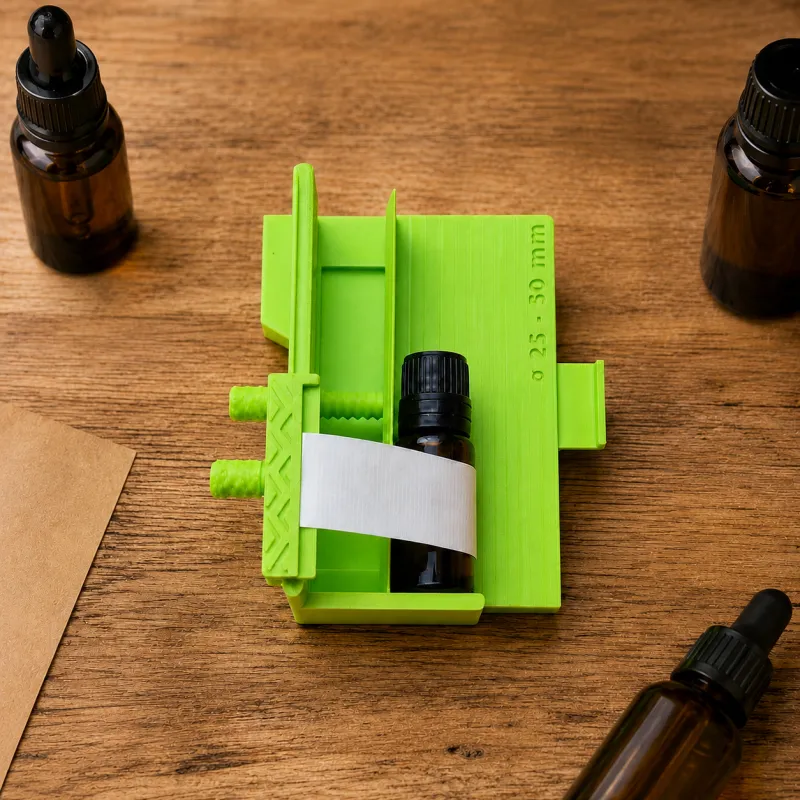
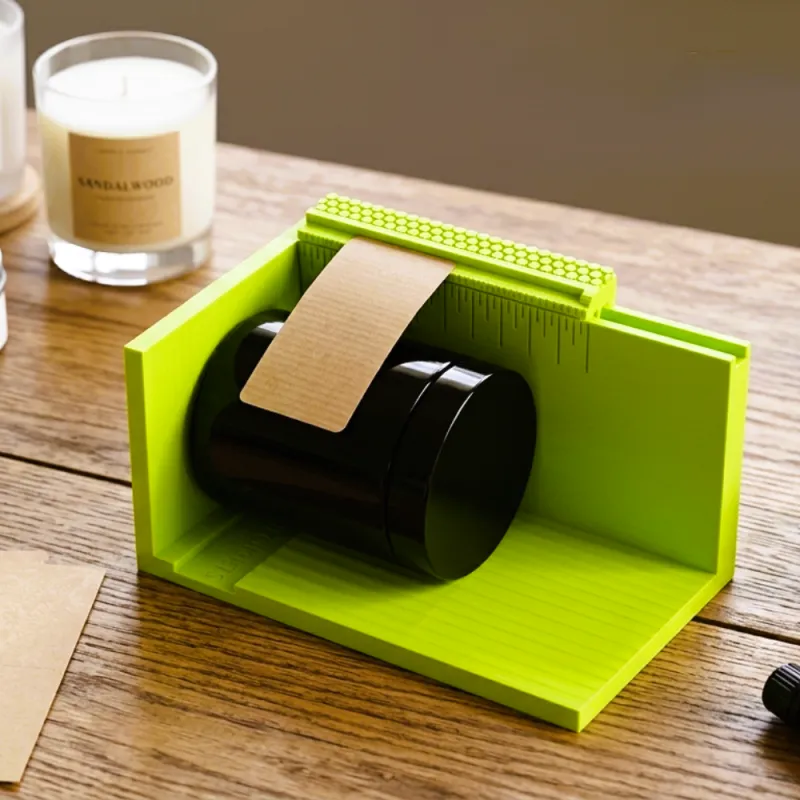
The Label Helper is a 3D printed alignment tool made to support more consistent label placement on jars, bottles, tins, and containers. It is useful for candle makers, but it is not limited to candles. It can also help makers working with reed diffusers, cosmetics, preserves, gifts, and other small-batch products.
The idea is simple: instead of placing every label fully by eye, the tool gives you a more repeatable way to position the label and line up the container.
For straight-sided jars and bottles, this can make the process much easier and more consistent. Once the setup is in place for your label size and container, each item has the same starting point, helping reduce uneven placement and wasted labels.
Using the Label Helper with tapered jars
Tapered candle jars are where a little extra care may be needed.
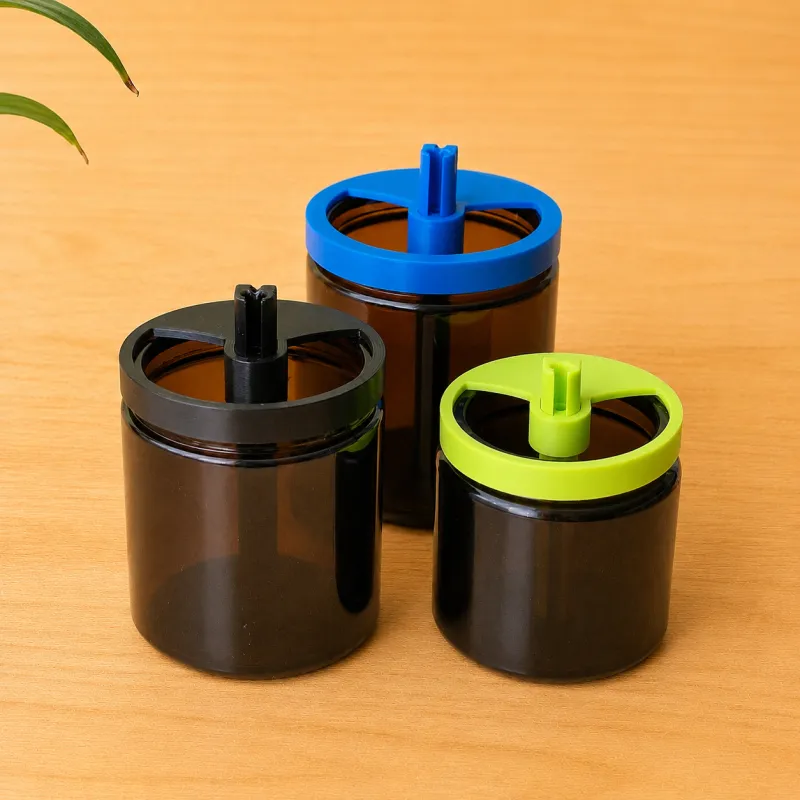
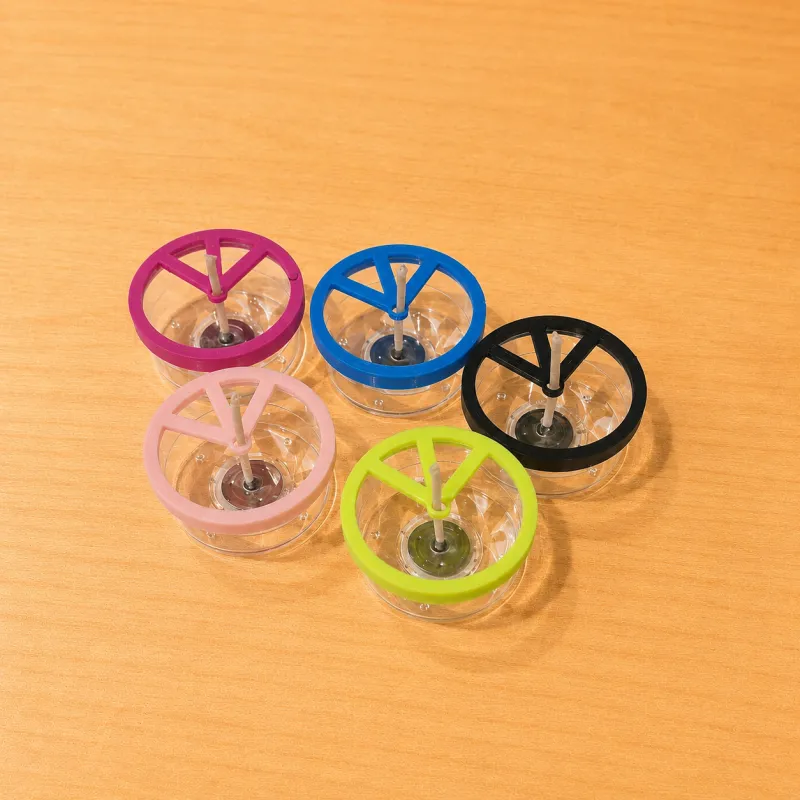
We designed riser blocks for common 30cl and 20cl tapered vessels to help compensate for the slope and improve how the jar sits during labelling. These risers can make tapered jar labelling easier and help create a more consistent result.
That said, tapered jars vary. On some vessels, especially those with a more noticeable taper, the jar may still need a steadying hand while the label is applied.
We mention this openly in the product instructions because we prefer to set realistic expectations. The Label Helper is designed as a practical aid for more consistent labelling, not a fully automated machine. For many common candle vessels, the risers are a helpful addition, but tapered jars may still need a little assistance depending on the shape.
Feedback from makers is also helping us improve future versions of the tool, especially around tapered containers and batch labelling workflows.
Building it into your workflow
If you label in batches, set up a simple production line.
Clean your jars first, prepare your labels, set up the Label Helper, and keep everything within easy reach. Apply the label, smooth it down carefully, set the jar aside, and move on to the next one.
Once you find a rhythm, the process becomes much less fiddly. You are not starting from scratch with every jar, and you are not relying purely on guesswork.
That consistency matters when products are being photographed, displayed at markets, packed for customers, or placed beside other products in your range.
Final thoughts
Labelling may not be the most exciting part of candle making, but it is one of the final details that shapes how your product is seen.
A neat label helps your candle look finished, professional, and ready for sale. It shows care, and it helps your brand feel more consistent.
Whether you use the Label Helper with riser blocks for tapered jars, use it with straight-sided jars and bottles, or simply improve your manual labelling setup, the goal is the same: cleaner results, less rework, and products that look the part.
For candle makers sourcing materials for their next batch, NI Candle Supplies is worth a look for candle-making supplies and essentials.
Got questions about labelling jars, bottles, or containers? Drop us a line at hello@creative3dprints.co.uk — always happy to hear from fellow makers.